How to Create a Monthly Budget That Works for You
How to Create a Monthly Budget That Works for You
Creating a monthly budget is a crucial step in managing your personal finances effectively. It allows you to gain control over your income and expenses, helping you achieve your financial goals. In this article, we will explore actionable steps to create a budget that works for you, ensuring you can keep track of your spending and make necessary adjustments.
Understanding Your Income and Expenses
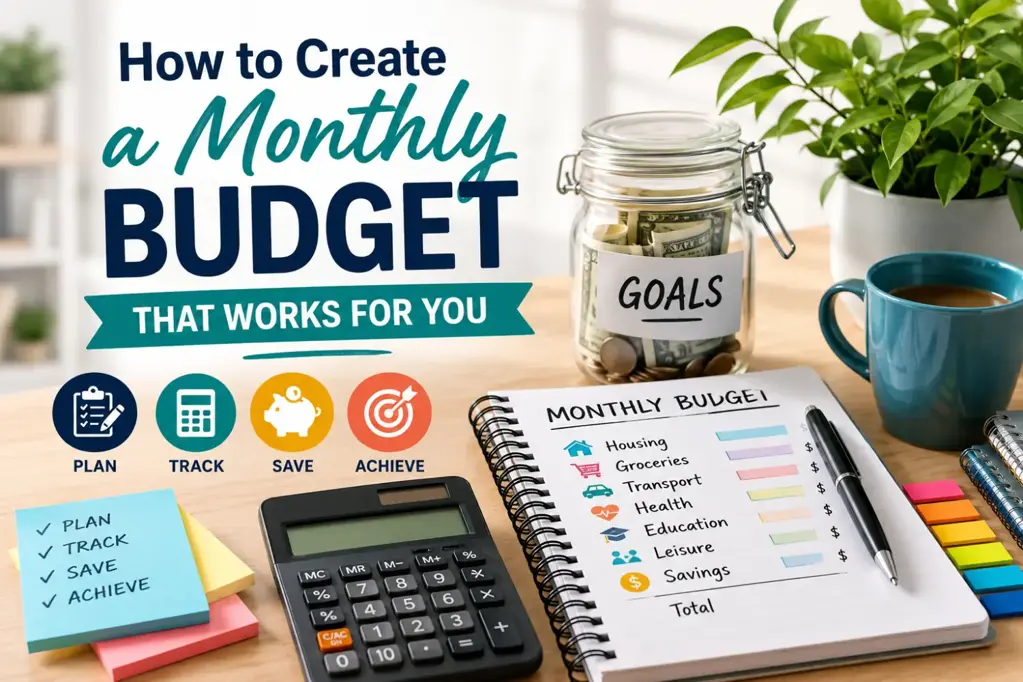
The first step in creating a monthly budget is to understand your income and expenses. Start by calculating your total income for the month, including your salary, bonuses, and any other sources of income. Next, list all your expenses, categorizing them into fixed and variable expenses. Fixed expenses include rent, mortgage, insurance, and subscriptions, while variable expenses cover groceries, entertainment, and dining out.
- Fixed Expenses:
- Rent/Mortgage
- Utilities
- Insurance
- Loan Payments
- Variable Expenses:
- Groceries
- Dining Out
- Entertainment
- Shopping
Setting Realistic Financial Goals
Once you have a clear picture of your income and expenses, it’s time to set realistic financial goals. Consider both short-term and long-term goals. Short-term goals might include saving for a vacation or paying off credit card debt, while long-term goals could be saving for a house or retirement. Ensure your goals are specific, measurable, achievable, relevant, and time-bound (SMART).
Choosing the Right Budgeting Method
There are several budgeting methods to choose from. The key is to find one that suits your lifestyle. Here are a few popular methods:
- Envelope System: Allocate cash for different categories of expenses in envelopes.
- 50/30/20 Rule: Spend 50% of your income on needs, 30% on wants, and save 20%.
- Zero-Based Budgeting: Assign every euro of your income to expenses, savings, or debt repayment.
WhizBudget can help you choose the right budgeting method by providing customizable templates and tracking tools.
Tracking Your Spending
Effective expense tracking is essential for maintaining your budget. Use tools like spreadsheets or budgeting apps to monitor your spending regularly. WhizBudget offers user-friendly tracking features that make it easy to see where your money is going. Aim to review your spending weekly to identify any areas where you may be overspending.
Adjusting Your Budget as Needed
Your budget is not set in stone. Life changes, and so do your financial circumstances. Be prepared to adjust your budget as needed. If you notice that you are consistently overspending in a particular category, consider reallocating funds or cutting back on discretionary spending. Regularly revisiting your financial goals can also help inform these adjustments.
FAQs
1. How often should I review my budget?
It’s advisable to review your budget monthly and make adjustments as needed.
2. What should I do if I exceed my budget?
Analyze where you overspent and adjust your budget or spending habits accordingly.
3. Can I really save money with a budget?
Yes, a budget helps you identify areas to save and allocate funds towards savings goals.
4. What are the best budgeting tools?
Popular tools include spreadsheets, mobile apps like WhizBudget, and online services that offer budgeting features.
5. How can I stick to my budget?
Set realistic goals, track your spending, and regularly review your budget to stay accountable.
Conclusion
Creating a monthly budget that works for you is a vital step in achieving financial security. By understanding your income and expenses, setting realistic goals, and using effective budgeting methods, you can take control of your personal finances. Remember to track your spending and adjust your budget as needed. Tools like WhizBudget can support you in this journey, making budgeting easier and more effective. Start your budgeting journey today!